Trustworthy HVAC Contractor Services: Keeping Your Home Comfortable Year-Round
A trustworthy HVAC contractor provides vital services in upkeeping a comfortable home all year long. These trained professionals confirm that heating, ventilation, and air conditioning systems perform properly and efficiently. Homeowners frequently miss the importance of these solutions until issues surface. Spotting the red flags that denote a need for skilled support can make a notable effect. What considerations should homeowners consider when determining the most suitable contractor for their requirements?
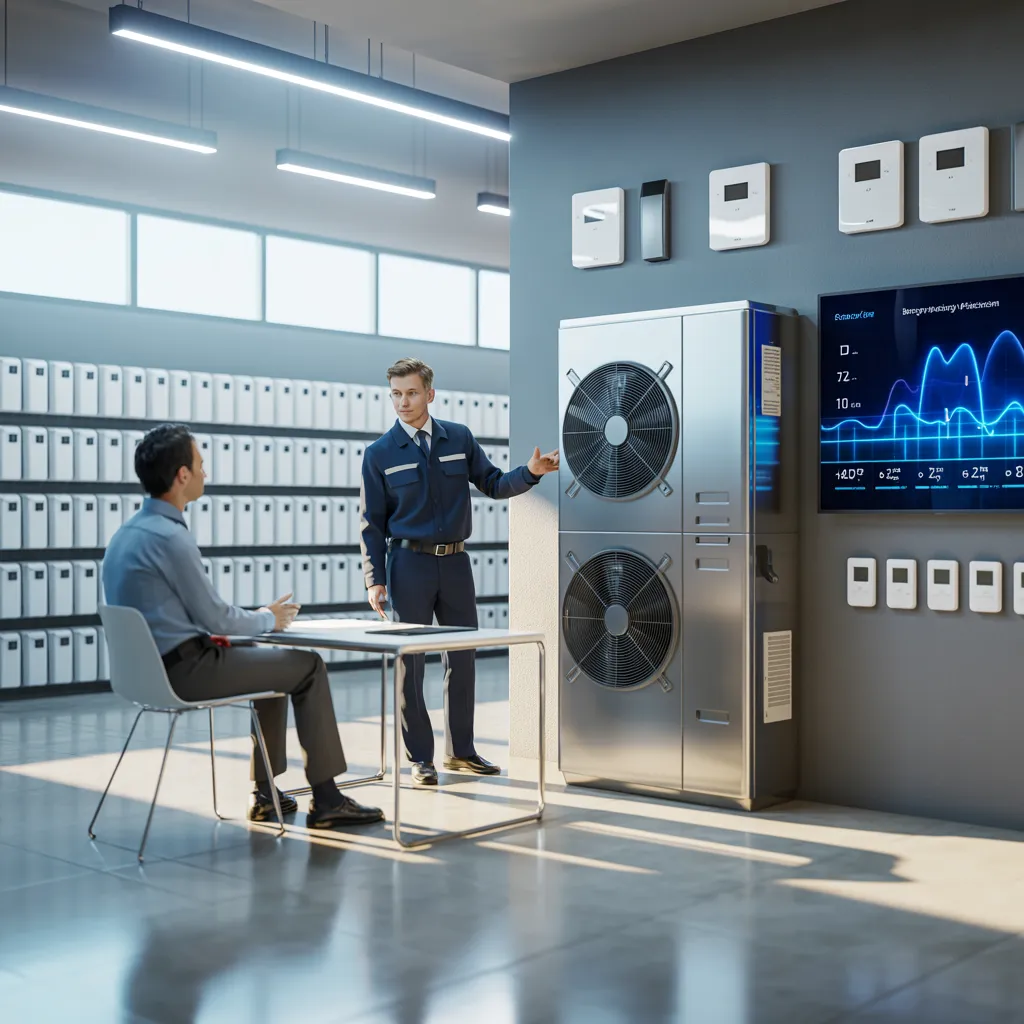
Why Working with a Dependable HVAC Contractor Matters
How important is it to have a dependable HVAC contractor? The significance of an experienced professional in heating, ventilation, and air conditioning cannot be overstated. A dependable contractor ensures that systems are set up correctly, serviced efficiently, and fixed promptly. This reliability directly impacts the comfort and safety of a home. With fluctuating temperatures, a properly operating HVAC system is essential for indoor air quality and energy efficiency.
Opting for the right service provider reduces the likelihood of sudden malfunctions and expensive fixes. A dependable HVAC contractor will also deliver skilled guidance on system selection and energy-saving options, guiding homeowners make informed decisions. Scheduled maintenance from a qualified professional increases the longevity of the equipment and enhances performance. Consequently, committing resources to finding a reputable HVAC contractor is vital for preserving a comfortable living environment year-round, ultimately adding to the welfare and happiness of the household.
Signs You Need to Call an HVAC Professional?
Homeowners may encounter signs indicating the need for professional HVAC assistance. Unusual noises from the system and uneven heating and cooling are often clear indicators of underlying issues. Recognizing these symptoms early can avoid further complications and costly repairs.
Uncommon Noises Originating From System
Unusual noises emanating from an HVAC system can signal underlying problems that require prompt attention. Common noises, such as rattling, grinding, or hissing, may suggest loose components, mechanical wear, or refrigerant leaks. A persistent clanking noise could suggest a malfunctioning fan or motor, while squealing might indicate belt problems. Ignoring these noises can lead to more significant damage and costly repairs. Homeowners should not attempt to diagnose or fix these issues themselves, as doing so can exacerbate the problem. Instead, contacting a qualified HVAC professional is essential for a thorough inspection and appropriate resolution. Timely intervention can restore system efficiency and maintain a comfortable indoor environment.
Uneven Heat Operation
What could be more frustrating than an HVAC system that struggles to maintain a steady temperature? Homeowners regularly observe swinging warmth or chill, causing discomfort and increased energy costs. This variation can originate from various issues, such as a damaged thermostat, weak insulation, or blocked ducts. If select rooms feel substantially different from others, it may indicate underlying problems requiring professional review. Soaring energy bills may also reveal problems within the system, driving a thorough look. Failing to acknowledge these signs refer now can create further complications and steep repairs. In conclusion, when struggling with changing temperature control, it is sensible to consult an HVAC expert to restore comfort and efficiency in the home.
Important HVAC maintenance for home proprietors
Homeowners need to consider important HVAC services to guarantee the efficiency and extended life of their systems. Preventive maintenance plans, streamlined system installations, and timely emergency repairs are critical components that contribute to peak performance. Recognizing these services can help homeowners determine their best options about their HVAC needs.
Preventive Maintenance Programs
Implementing preventive maintenance plans is necessary for achieving optimal performance and durability in HVAC systems. Such plans generally include frequent inspections, cleaning, and adjustments, which assist in identifying potential issues before they develop into costly repairs. By organizing routine check-ups, homeowners can enhance energy efficiency, decreasing utility bills and improving indoor air quality. Technicians often check refrigerant levels, inspect ductwork, and clean filters to sustain peak performance. Also, preventive maintenance can prolong the life of HVAC equipment, providing peace of mind and minimizing the likelihood of unexpected breakdowns. Homeowners who invest in these plans gain not only enhanced comfort but also protect their investment, ensuring reliable system operation year-round.
Effective System Deployments
Efficient installation installations serve an essential part in maximizing HVAC performance and energy savings. Properly installed heating, ventilation, and air conditioning units ensure ideal airflow, reducing energy consumption and cutting utility bills. Professionals assess the unique requirements of each home, choosing equipment that fits size specifications and local climate conditions. They also ensure that ductwork is sealed and insulated, avoiding energy loss. Advanced technologies, such as smart thermostats, can be integrated during installation for enhanced control and efficiency. Furthermore, following manufacturer guidelines and local building codes during installation ensures reliable operation and longevity of the system. Ultimately, homeowners benefit from improved comfort levels and a reduced environmental footprint when investing in efficient HVAC installations.
Timely Emergency Repairs
Struggling with an abrupt HVAC failure can be demanding, notably during extreme weather conditions. Homeowners depend considerably on their temperature control systems for well-being, making prompt urgent repairs crucial. Quick reaction times from HVAC contractors can stop further damage and reinstate effectiveness, diminishing discomfort.
These experts are trained to diagnose issues efficiently, whether it's a broken heating system in winter or a broken air conditioner in summer. Their knowledge guarantees that fixes are done properly the first time, reducing downtime. Furthermore, many service providers provide 24/7 services, giving reassurance for homeowners. By emphasizing prompt urgent maintenance, homeowners can maintain a stable indoor environment and protect their investment in HVAC systems.
Picking the Ideal HVAC Contractor: Important Pointers
What steps can homeowners take to guarantee they pick the finest HVAC contractor for their wants? To start, examining qualifications is vital. Homeowners should verify certifications, insurance, and certifications to confirm the contractor meets industry norms. Checking online feedback and seeking referrals from family members or family can deliver insights into a contractor's reputation.
Next, procuring multiple quotes permits homeowners to compare pricing and services. It is vital to inquire about warranties and guarantees, as quality control can reflect the contractor's confidence in their work. Additionally, examining the contractor's background with specific HVAC systems can be valuable for specialized needs.
Communication represents equally important information; a reliable contractor will dedicate effort to detail options and handle concerns clearly. Finally, selecting a contractor with transparent pricing and no undisclosed fees can help avoid unexpected costs. By implementing these tips, homeowners can reach well-founded decisions and confirm their HVAC systems are in capable hands.
The Significance of Ongoing HVAC Maintenance
Consistent HVAC upkeep represents an essential part in sustaining system efficiency and shelf life. By establishing periodic check-ups, homeowners can identify and address emerging complications before they escalate into costly restoration. This proactive strategy enhances system performance and also conserves power consumption, leading to reduced utility rates.
In addition, consistent care improves indoor air quality by verifying filters are clean and ensuring parts operate as they should. A well-serviced system produces less noise and reduces the odds of unforeseen breakdowns during extreme weather conditions.
Moreover, many suppliers require proof of regular maintenance to copyright warranty coverage, shielding the homeowner's investment. By prioritizing HVAC maintenance, individuals can appreciate a comfortable living environment all year long while increasing the lifespan of their heating and cooling systems. Ultimately, this attention to detail aids in both comfort and cost savings in the long run.
All the Things You Should Know About HVAC Systems
Comprehending HVAC systems is vital for homeowners looking for optimal climate control and convenience in their living spaces. HVAC, which stands for heating, ventilation, and air conditioning, comprises various elements that operate in conjunction to regulate indoor climate conditions and air quality. Key aspects contain the furnace, air conditioner, ductwork, and thermostats, each playing an important role in upholding a comfortable atmosphere.
Property owners should evaluate the size and capacity of their HVAC system to guarantee maximum efficiency; an oversized or undersized unit can cause operational problems. Regularly replacing filters and scheduling qualified maintenance checks can prevent breakdowns and increase the system's lifespan.
Moreover, learning about energy efficiency ratings, such as SEER for air conditioners and AFUE for furnaces, can allow homeowners to make informed decisions when purchasing or upgrading systems. Awareness of these factors results in a more comfortable, energy-efficient home environment.
The Reasons Dependable HVAC Solutions Allow You Cut Costs
Allocating funds to proven HVAC services can remarkably trim future costs for homeowners. Regular maintenance and rapid servicing guarantee that HVAC components operate productively, which can considerably reduce utility rates. When components are well-maintained, they operate at peak levels, minimizing power depletion and extending the lifespan of the unit.
Furthermore, established contractors regularly deliver warranties and guarantees on their labor, offering reassurance and financial protection versus future issues. By attending to small repairs before deterioration, homeowners can escape pricey urgent work that typically happen from neglect.
Additionally, energy-efficient upgrades suggested by trustworthy HVAC professionals can result in significant cost reductions over time. These enhancements not only improve comfort but also lower a lower carbon footprint. In sum, engaging reliable HVAC services is a proactive approach that ultimately provides financial benefits while ensuring a comfortable living environment year-round.
Regularly Addressed Questions
What Steps Should I Take to Optimize My HVAC System's Energy Efficiency?
Increasing HVAC system energy conservation includes regular maintenance, sealing ducts, adopting a programmable thermostat, using energy-efficient filters, and ensuring proper insulation. These measures collectively raise efficiency, reduce energy consumption, and lower utility costs.
What Are Popular HVAC System Myths to Stay Away From?
Common HVAC myths to steer clear of include thinking that bigger units are always superior, that routine upkeep isn't required, and that shutting vents improves efficiency. Grasping these false beliefs can lead to improved operation and energy savings.
How Often Should I Replace My HVAC Filters?
HVAC filters should typically be replaced every one to three months, depending on use and filter type. Regular upkeep guarantees optimal system performance, enhances air quality, and extends the lifespan of the HVAC unit.
What Represents the Lifespan of an HVAC System?
An HVAC system typically lasts between 15 to 25 years, depending on factors like usage, maintenance, and quality of installation. Regular maintenance can lengthen its lifespan, while neglect may cause premature failure.
Is it possible to put in an HVAC system by myself?
Installing an HVAC system independently is feasible for experienced people, yet it presents substantial dangers. Correct setup demands skill to ensure effectiveness and security, making professional assistance a suggested choice for peak performance and compliance with regulations.